TEACHING STUDENTS
THE STATE OF THEIR PLANET
Students have the right to learn about
the state of their planet.
It's a vital part of transformative education for sustainability.
We have to teach students the state of their planet ...
- even if it's not in "the" curriculum (which is the students' curriculum, really)
- even if we feel we don't know it well enough to teach it
- even if it makes us sad or uncomfortable
- even if it's deemed "controversial" or "biased."
After all, it's their planet, their Earth, their future, their life.
And besides, it's rich learning.

"Human history becomes more and more a race between education and catastrophe."
– H.G. Wells
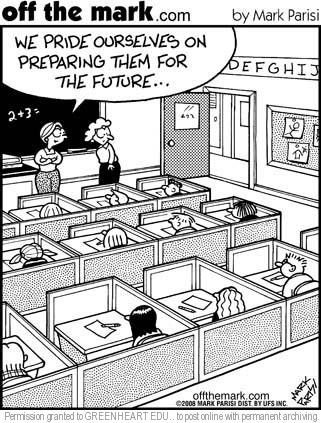
As teachers, we all care about our students. As parents, we all love our children. We must extend this love and care to the Earth if we are to bequeath a healthy planet to future generations.
Right now, the viability of the Earth, and hence the children’s future, is in dire peril.
Therefore, our most important job right now is to give the younger generation everything — every bit of knowledge and wisdom, every skill, and every habit of mind and heart — they are going to need in order to create the best possible future for themselves.
Here's the scary thing. It's the best educated citizens in the world who are currently driving accelerating destruction, degradation and deadly pollution of every aspect of the biosphere — and carefully documenting it as they go.
(See the United Nations Environment Program's 6th Global Environment Outlook or GEO-6 for Youth for some understanding of the extent of our impacts on the Earth.)
Habitat destruction, the ravages of climate change, ocean acidification, deforestation, and pollution of air, land and water are leading to unprecedented ecosystem devastation and loss of the diversity of life that we depend on.
Coral reefs are dying. The Amazon rainforest is disappearing and desertifying. Global warming, if not checked immediately, could raise the global average temperature high enough to wreck havoc for human civilization (and possibly the survival of our species).
What was missing from the education of the people who are responsible for this destruction — or allowing it to happen?
"We have entered an unprecedented period in human history. By the vigour of our consumption and procreation, the human species has modified our global environment at wide regional and global scales. At the close of the twentieth century, global warming, biodiversity losses, ozone and freshwater depletion, to name a few, are now recognized as human-induced wide-scale environmental transformations.
"In spite of admirable efforts to arrest some of these processes and restore environmental vitality, the pace at which humans modify their environment continues with considerable intensity. The future health of the biosphere for sustaining all life may be drifting close to the margins as environmental crises increase within a single generation."
– Peter Leigh, National Oceanic and Atmospheric Administration
Time is of the essence. Without a rapid and radical shift from our inequitable and unsustainable lifestyles to a zero-carbon economy, the Earth will continue to become more and more inhospitable for our children and grandchildren. Teaching students the state of their planet and educating in transformative ways for sustainability are musts if we are to make this necessary shift.
Return from State of Their Planet to Reasons for Greening
Go to GreenHeart Education Homepage
